Epoxy flooring Luton
Epoxy flooring questions answered for Luton floors
Send an enquiry about your floor and a specialist will call you back with honest answers. There is no charge for this, and it does not commit you to booking any work.
Epoxy flooring questions answered for Luton businesses
What determines the resin floor cost in Luton
People often ask how much an epoxy floor costs per square metre in Luton. The figure depends on the size of the area, the condition of the existing concrete and the thickness of the system chosen. A thin seal coat for dust control costs less than a heavy-duty build meant for pallet trucks.
A specialist needs to see the slab before quoting a resin floor cost in Luton that means anything. They check moisture levels, measure falls and note any damage that requires repair first. This industrial floor coating advice prevents surprises later. You can read more about what affects depth on the page covering [how thick an epoxy floor should be](/prep-and-curing/floor-thickness).
The type of resin matters too. Epoxy suits most warehouses and workshops, while polyurethane handles thermal shock better in cold stores or food areas. Choosing between them changes the price. The guide on [epoxy or polyurethane flooring in Luton](/prep-and-curing/epoxy-or-polyurethane-luton) sets out where each performs best.
How long the unit stays out of action
Downtime is usually the main worry. How long your unit will be out of action while the floor is coated depends on the product and the weather. Standard epoxy needs around twenty-four hours before foot traffic is safe, and several days before heavy vehicles drive on it. Fast-cure systems shorten this window considerably.
Temperature plays a part. Colder months slow the chemical reaction, so curing takes longer. The notes on [epoxy floor curing time](/prep-and-curing/curing-time) explain when you can walk, stack and drive. A specialist plans the work around your shifts, often coating one bay at a time so operations continue elsewhere.
Preparation adds time too. If the concrete needs grinding, patching or a damp-proof membrane, those stages happen before any resin goes down. Rushing the prep causes problems later, which is why a proper survey matters. Units across [Dunstable](/sites/dunstable) and [Houghton Regis](/sites/houghton-regis) follow this same sequence.
Laying epoxy over an existing coated floor
Can epoxy be laid over an existing coated floor, or does it have to come up? Sometimes the old coating is sound enough to act as a base. The specialist tests adhesion by scoring a small grid and pulling tape across it. If the old layer lifts, it must go.
Grinding removes failed paint and exposes clean concrete for the new resin to bond to. Skipping this step is the main reason floors flake and bubble within months. The page on [floor prep before epoxy](/prep-and-curing/floor-preparation) covers what that grinding involves.
Moisture trapped under an old coating creates another risk. If the slab reads wet, a barrier primer or a full strip-back might be necessary. Details on testing are set out in the section on [epoxy over damp concrete](/prep-and-curing/damp-concrete). A survey identifies which route applies to your floor before any resin is mixed.
Forklift traffic and heavy pallet loads
Will the new floor stand up to forklift traffic and pallet loads? Yes, if the right system is specified. Thin roller-applied coatings suit foot traffic and light trolleys. For resin flooring to handle forklift traffic, the build needs greater thickness and often an aggregate broadcast for grip.
Point loads from racking legs and turning tyres demand a hard surface. Is epoxy good for warehouses? It is the standard choice because it resists abrasion and compresses well under static weight. Spills of oil or coolant wipe off without staining.
Wear patterns still appear over years, particularly at aisle junctions. When they do, a specialist can patch the damaged zone rather than recoating the whole slab. That process is covered under [resin floor repairs in Luton](/flooring/resin-floor-repairs-luton). Regular cleaning extends the life further. How long an epoxy floor lasts comes down to specifying the correct depth at the start and maintaining it.
Resin flooring in food and pharmaceutical areas
Is resin flooring suitable for a food or pharmaceutical area? It is, provided the specification meets hygiene standards. These environments need a seamless surface with no grout lines where bacteria could settle. Epoxy and polyurethane both deliver that, but polyurethane copes better with hot wash-downs and steam cleaning.
Coving is essential here. The resin curves up the wall to form a sealed lip, eliminating the joint where the floor meets the skirting. The journal piece on [resin coving and upstands](/journal/resin-coving-and-upstands-where-the-floor-meets-walls) shows how that detail works.
Anti-slip additives keep staff steady on wet floors without creating a texture so rough that it traps residue. Facilities in [Chalton](/sites/chalton) and [Leagrave](/sites/leagrave) use these finishes in production rooms and packing halls. A specialist selects the grade of aggregate to balance grip with cleanability.
Guarantees, aftercare and lifespan
Does the work come with any kind of guarantee or aftercare? Reputable specialists provide written terms covering materials and workmanship. The length varies with the system installed. A heavy-duty screed carries a longer expectation than a thin seal coat.
Aftercare usually means simple steps: sweep daily, mop spills promptly and avoid dragging sharp metal across the surface. Rubber-tyred forklifts are kinder than polyurethane wheels on some finishes. If a chip appears, early repair stops moisture reaching the concrete beneath. The guide on [flaking and bubbling](/prep-and-curing/flaking-and-bubbling) explains what happens when small damage is left.
How long an epoxy floor lasts also depends on the environment. A dry storage unit sees less wear than a busy dispatch bay. Asking these epoxy flooring FAQ points during the survey helps set realistic expectations. Specialists working across [Streatley](/sites/streatley) and [Lower Sundon](/sites/lower-sundon) advise on maintenance schedules tailored to each site.
Timing the work through the year
What time of year is best to have a floor coated in Luton? Epoxy cures reliably when the slab temperature sits above ten degrees. Summer offers the widest window, but indoor units with heating can be coated at any time.
Unheated sheds and open-sided yards present more difficulty in winter. Cold concrete slows the cure and raises the risk of amine blush, a waxy film that forms on the surface. Specialists monitor ambient conditions and may postpone a pour if temperatures drop overnight.
Humidity matters as much as heat. Rainy spells push moisture into ground-bearing slabs, so testing becomes even more important. The notes on [damp concrete](/prep-and-curing/damp-concrete) cover what readings mean for scheduling. Planning ahead lets you book a slot when conditions favour a strong bond, whether your unit is in [Aley Green](/sites/aley-green) or [Pepperstock](/sites/pepperstock).
Getting a survey and what follows
How do I get a survey and what happens after that? Send an enquiry describing the space and the problem you want solved. A specialist arranges a visit to measure the area, test the slab and discuss how the floor will be used.
They bring moisture metres and sometimes take core samples if the concrete looks suspect. After the visit, you receive a written scope setting out the preparation method, the resin system and the schedule. The quote breaks down costs so you see what each stage involves.
Nothing is committed until you approve that scope. If you want a second opinion or need to wait for budget approval, the paperwork stays valid for a set period. You can explore the full range of options on the [resin flooring services](/flooring) page, or read about specific applications like [garage floor coating](/flooring/garage-floor-coating-luton) and [warehouse floor painting](/flooring/warehouse-floor-painting-luton) to narrow down what suits your space.
Signs your concrete floor needs attention
Bare concrete in a working unit deteriorates slowly. Dust rises, spills soak in and small chips spread under traffic. Spotting the early marks helps you act before the slab fails entirely.
- 1
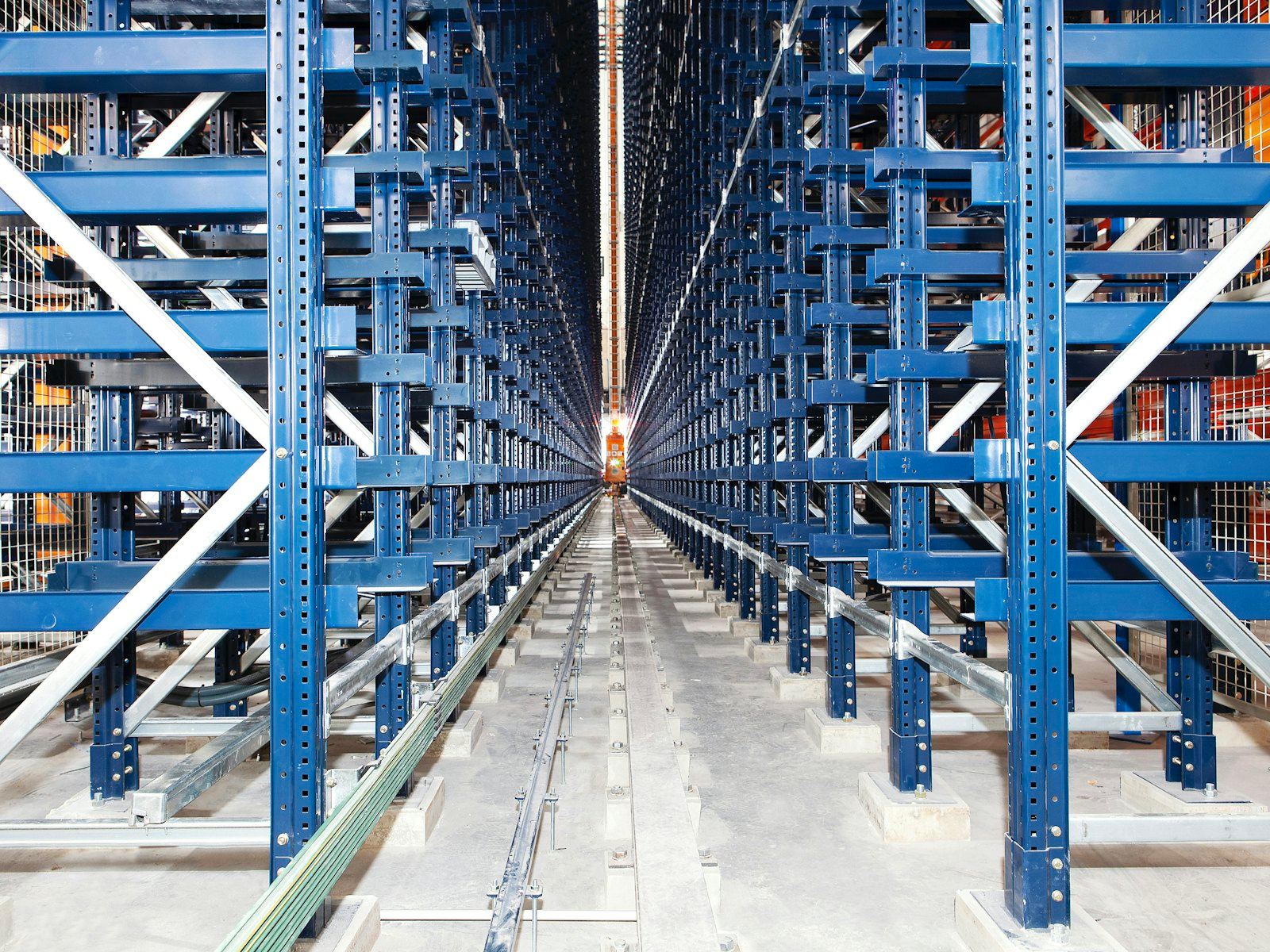
White dust on stored goods
Fine powder settles on boxes and shelves. It signals the surface is breaking down and needs sealing or coating.
- 2
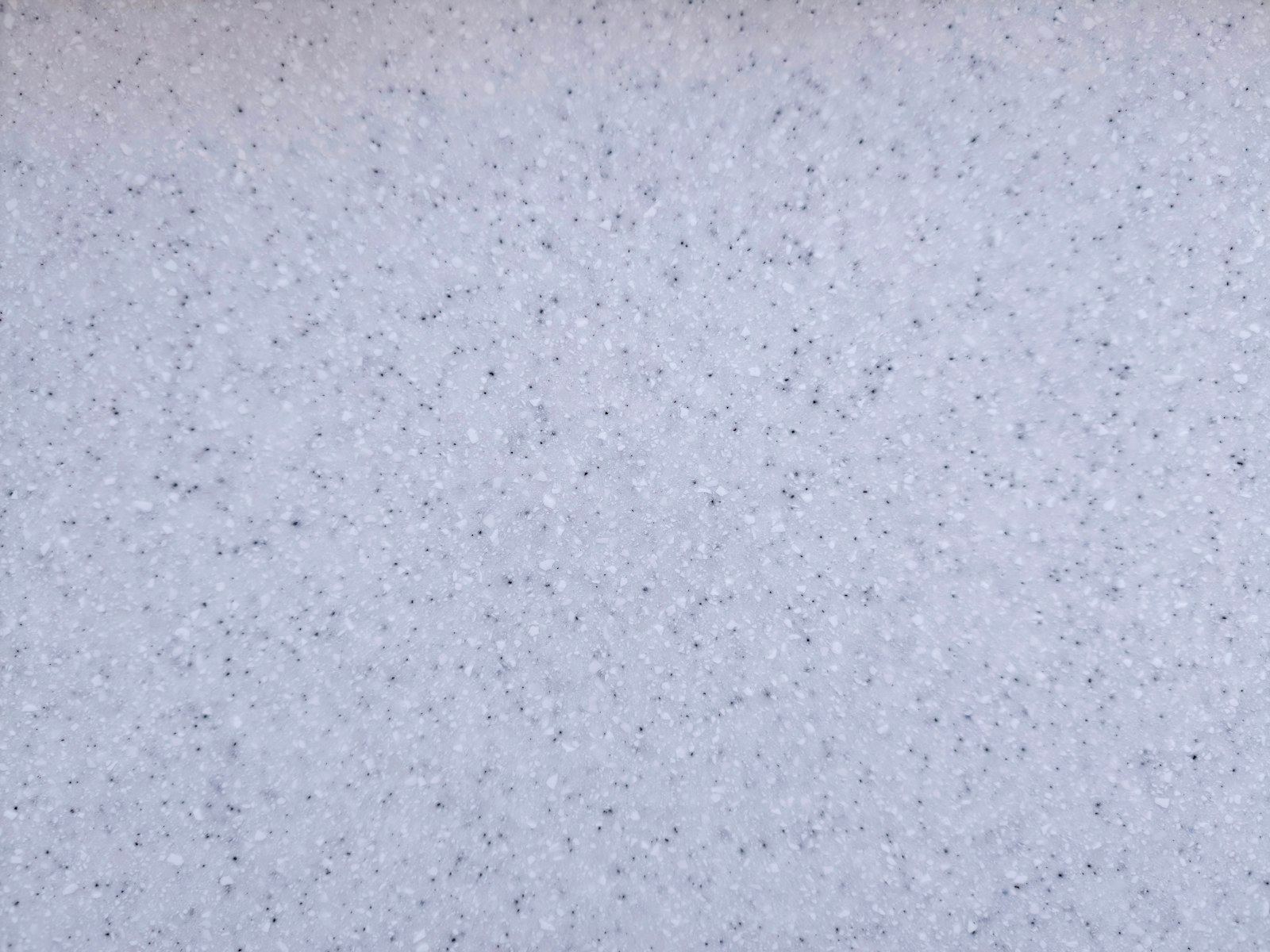
Dark patches that stay wet
Stains that linger after mopping suggest moisture rising through the slab, which can prevent resin from bonding.
- 3
Cracks near racking legs
Hairline fractures radiating from point loads indicate stress. Left alone, they widen under repeated weight.
- 4
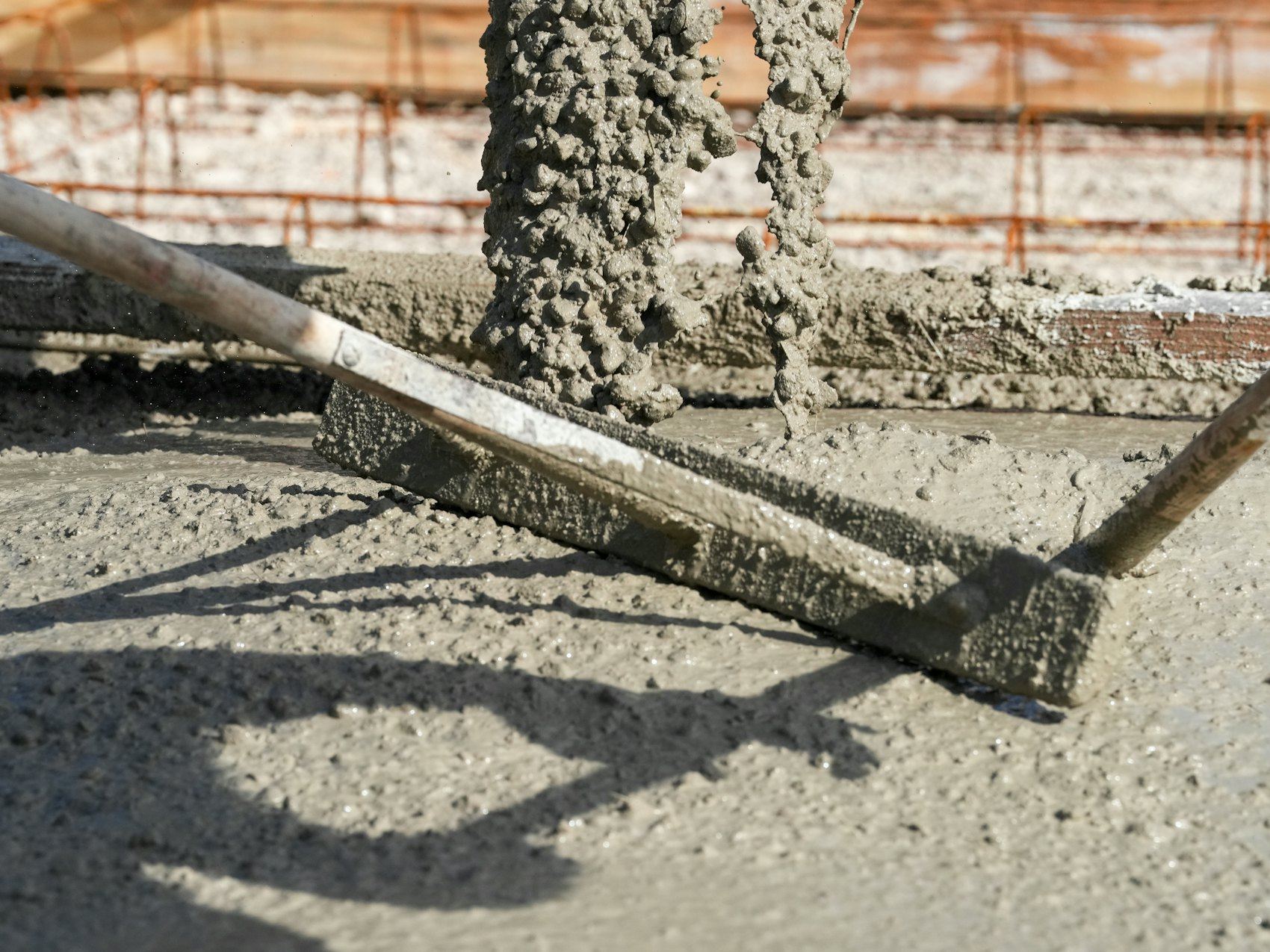
Paint peeling in sheets
Old coatings lifting away show poor adhesion or trapped damp. Fresh resin applied over this will fail too.
Common questions on resin floors
-
Quick answers to the points raised most often during surveys across Luton and nearby towns.
- Cost per square metre
- Depends on prep, thickness and resin type. A site survey gives a firm figure.
- Downtime during coating
- Typically two to five days, phased by bay so work continues.
- Overcoating old paint
- Possible only if adhesion tests pass. Failed layers must be ground off.
- Forklift suitability
- Heavy-duty builds handle turning tyres and loaded pallets without marking.
- Food-safe options
- Seamless resin with coved edges meets hygiene requirements for production areas.
- Best season to coat
- Above ten degrees with low humidity. Heated units allow year-round work.
Ask a specialist about your floor
Send the details of your space and what you need it to do. A specialist will reply with honest guidance, and there is no obligation to book work.
- No charge for advice
- Written scope provided
- No booking required