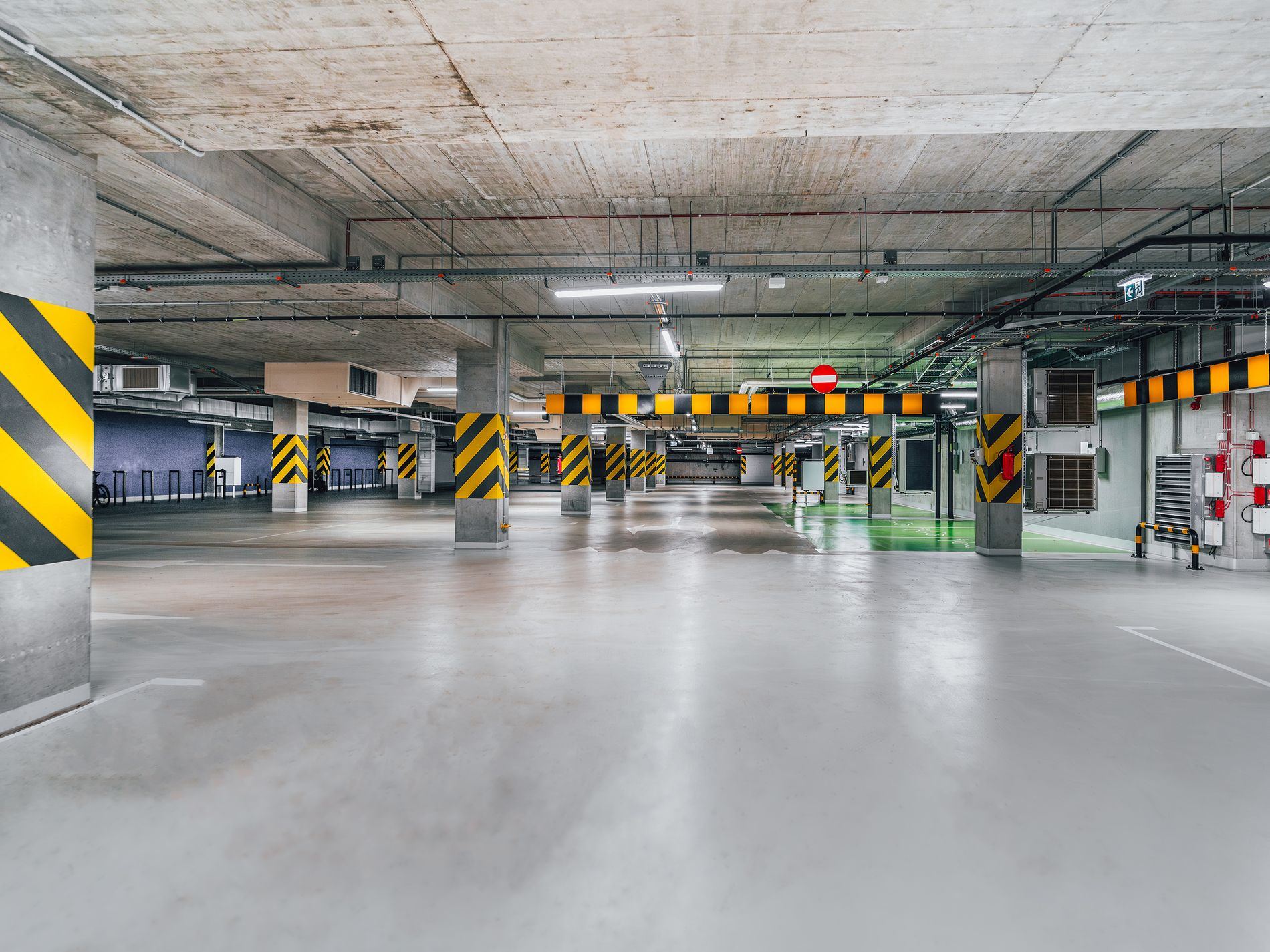
Luton industrial units
Epoxy or polyurethane flooring: which suits your floor
Send details of your floor and the work it takes. A specialist will read what you describe, suggest whether epoxy or polyurethane suits the job, and price it without charging you for the advice.
Hardness and wear on an epoxy or polyurethane floor
When buyers compare quotes for resin floors in Luton, the choice between epoxy or polyurethane flooring usually comes down to what hits the surface every day. Epoxy cures to a very hard finish. It resists scuffs from pallet trucks and heavy racking legs, which is why so many warehouses along the Luton industrial estates specify it.
Polyurethane is softer underfoot. That gives it a slight flex that absorbs impact rather than resisting it rigidly. In units where trolleys roll constantly or dropped tools are common, that give stops chips from forming. Both materials handle foot traffic easily, but they distribute force differently.
The right choice depends on the load. A storage bay with static weight needs hardness. A packing area with constant movement often benefits from flexibility. A specialist surveys the slab and the daily routine before recommending one over the other.
Heat, steam and hot washdown
Temperature matters more than most people expect when choosing which resin floor to use. Standard epoxy softens if exposed to sustained heat above sixty degrees Celsius. In a unit where hot water or steam cleaning happens regularly, that limit becomes a problem fast.
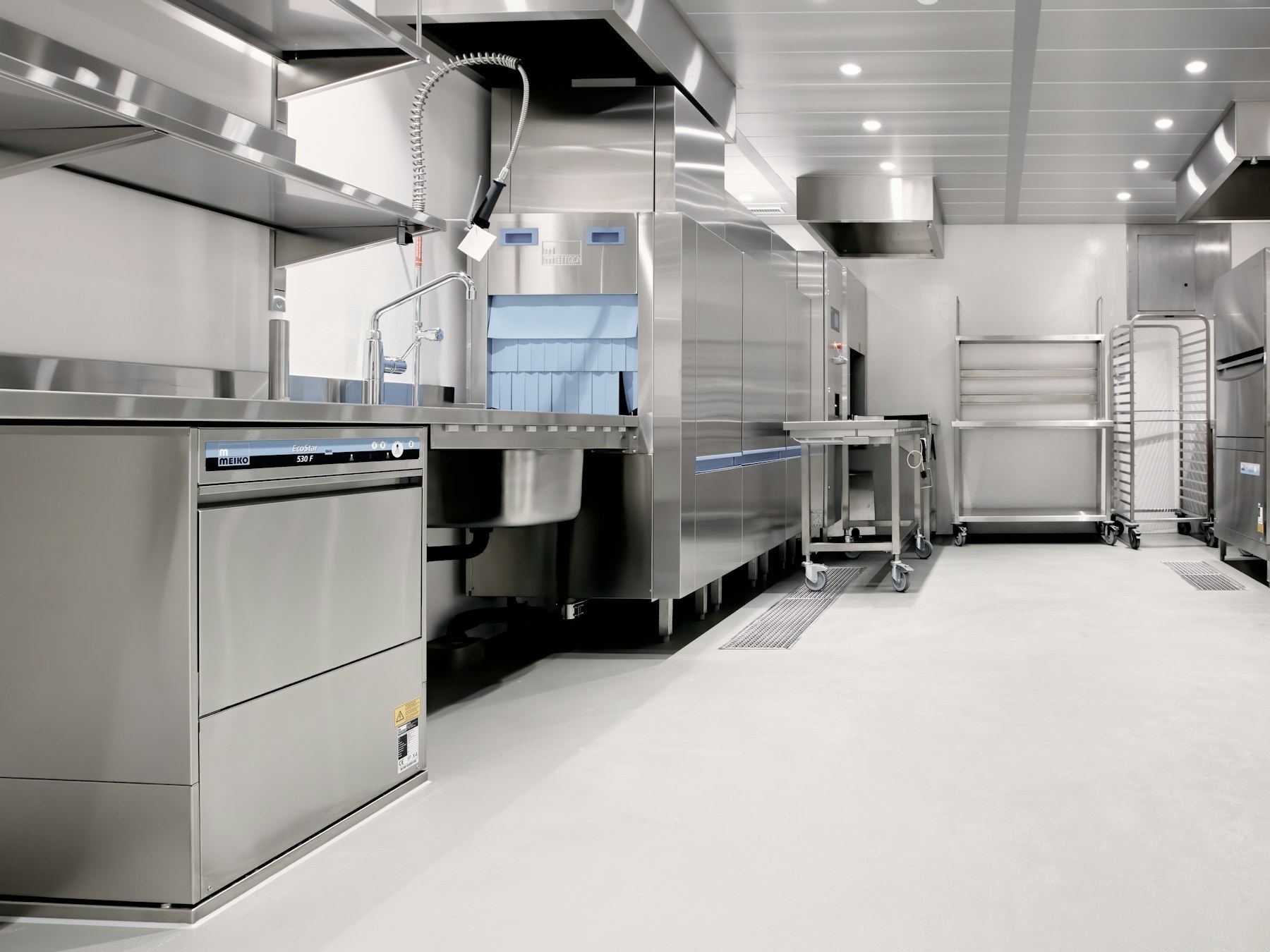
Polyurethane handles higher temperatures without losing its shape. This is why a polyurethane screed food factory floor is standard practice: the material survives boiling washdowns, steam lances and hot spillages without blistering. If your Luton unit processes food, bottles drinks or runs any kind of thermal cleaning cycle, pu floor heat resistance is the reason specialists tend to recommend it.
Epoxy remains the better fit for dry environments, ambient storage and workshops where heat exposure stays low. The decision rests on the actual temperatures the floor will face, measured during a site visit rather than guessed from a brochure.
Chemical spills and resin flooring chemical resistance
Different chemicals attack different resins. Epoxy offers strong resistance to alkalis, oils and many solvents. Units in Luton that handle machining fluids, hydraulic leaks or battery acid often rely on epoxy because it holds up against those specific substances.
Polyurethane performs better against organic acids, sugars and certain oxidising agents. Where a floor meets lactic acid, fruit juices or dairy residues, polyurethane lasts longer before staining or degrading. When comparing industrial floor coating types for chemical exposure, the exact substance dictates the recommendation.
No single resin resists everything. A specialist asks what spills happen, how long they sit before cleanup, and whether the floor gets hosed down afterward. Those answers determine whether resin flooring chemical resistance favours epoxy or polyurethane for your particular space.
Flexibility and moving slabs
Concrete moves. It expands in summer, contracts in winter, and settles over years. Epoxy bonds tightly to the slab, so when the concrete shifts, the rigid coating can crack along with it. In older Luton buildings where the ground beneath the slab is still settling, this is a real risk.
Polyurethane stretches slightly. That elasticity lets it bridge hairline cracks in the substrate without tearing. If a surveyor finds movement joints that are active, or sees evidence of past cracking, polyurethane is usually specified to accommodate that ongoing shift.
This does not mean epoxy fails on every older floor. Proper joint treatment and preparation can stabilise a slab enough for epoxy to hold. But where movement is confirmed, flexibility becomes the deciding factor.
Cost per square metre in Luton
Price is always part of the decision. Polyurethane materials generally cost more per square metre than epoxy. The raw resin is more expensive to manufacture, and the application sometimes requires tighter environmental controls during curing.
But the total cost of a floor includes preparation, downtime and lifespan. An epoxy floor that chips within two years because it was specified for the wrong environment costs more in repairs and lost production than a polyurethane floor that lasts ten. Conversely, paying a premium for polyurethane in a dry, static warehouse adds expense without adding value.
Specialists pricing jobs across Luton, Dunstable and Houghton Regis calculate the cost against expected wear. The quote reflects the whole life of the floor, not just the material rate per square metre.
Sunlight, yellowing and fading
Ultraviolet light changes resin. Standard epoxy yellows when exposed to direct sunlight. In a Luton unit with large roller doors that stay open, or skylights that let UV through, an epoxy floor near those openings will discolour over months.
Polyurethane resists UV degradation far better. It holds its colour in areas where daylight reaches the surface consistently. For loading bays, open yards or spaces with extensive glazing, this stability matters.
If the entire floor sits indoors away from windows, UV resistance may not influence the decision at all. But where sunlight enters, the difference between the two materials becomes visible quickly.
Layering both resins on one floor
Epoxy and polyurethane can work together. A common specification uses epoxy as the base build, providing thickness, hardness and a level surface. Then a polyurethane topcoat seals it, adding chemical resistance, UV stability or slip resistance depending on the formulation.
This approach combines the strengths of both materials. The epoxy handles compressive loads; the polyurethane handles surface wear and environmental exposure. Several industrial floor coating types use this layered method to meet demanding specifications without overspending on full-depth polyurethane.
Compatibility between layers must be checked. Not every epoxy primer accepts every polyurethane topcoat. A specialist tests adhesion between the chosen products before committing to a system, ensuring the bond holds under the conditions your floor will face.
How the final recommendation is made
Nobody picks a resin from a chart alone. A specialist visits the Luton unit, measures moisture in the slab, checks flatness, notes joint positions and records what traffic crosses the floor daily. They look at drainage falls, cleaning methods and temperature ranges.
Only after that survey do they recommend epoxy, polyurethane or a combination. The data gathered on site rules out options that would fail and confirms the ones that will last. Buyers who have compared an epoxy vs pu floor debate online find the answer is always specific to their own concrete and their own operations.
You provide the details of what the floor endures. The specialist provides the specification that matches it.
Signs your current floor is failing under the wrong resin
A resin floor shows stress in ways that point toward the wrong material being used for the conditions. Look at the surface closely. These signs tell you the coating is struggling against heat, movement or chemicals it was never meant to handle.
- 1
Blistering near drains
Bubbles form where hot water pools. This often means the resin cannot handle the temperature reaching it during washdown.

- 2
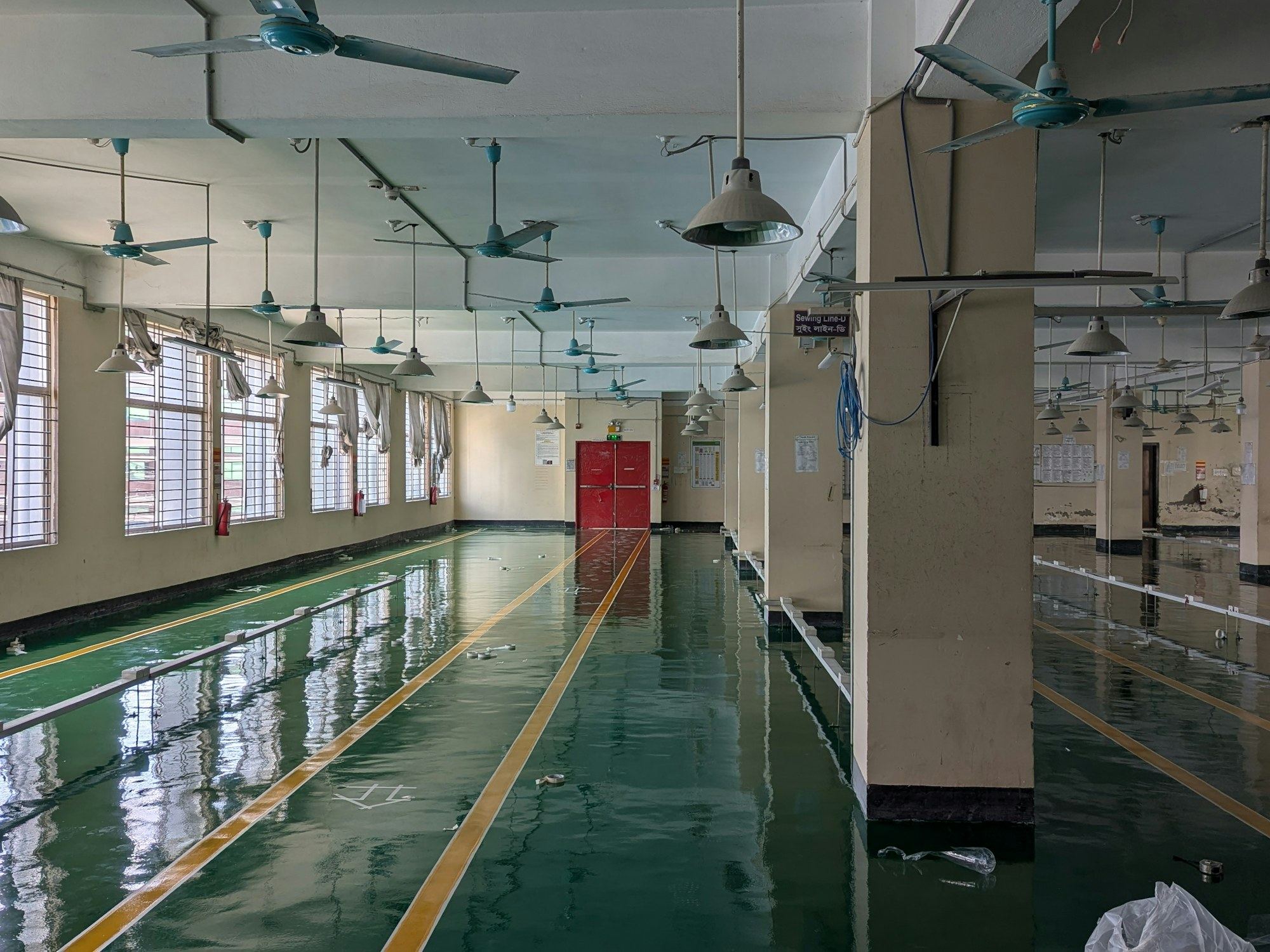
Cracks following slab joints
Lines appear directly over concrete joints. A rigid coating may be unable to stretch as the slab moves beneath it.
- 3
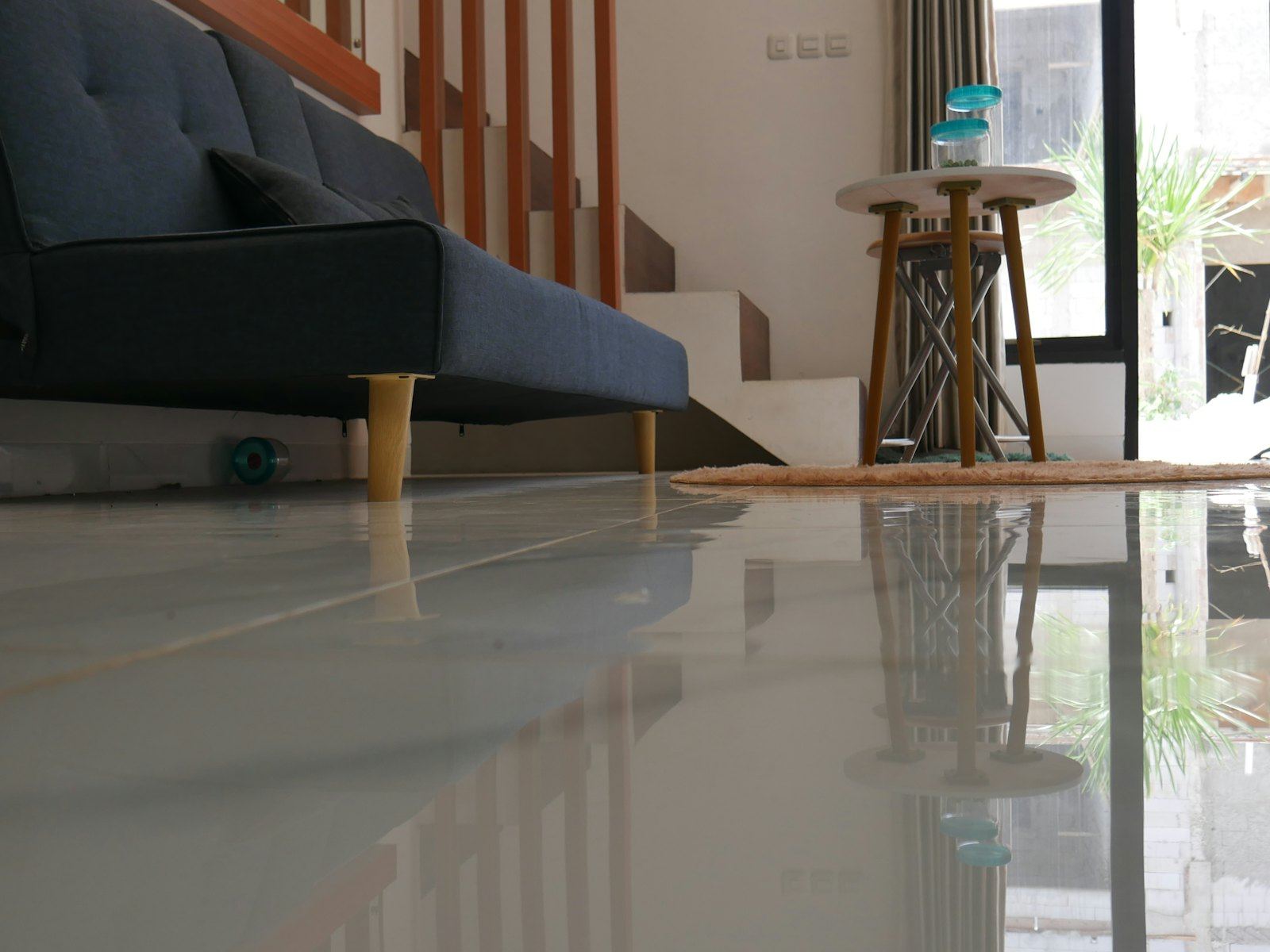
Staining that will not wash out
Dark patches remain after cleaning. Chemicals may be penetrating a resin that lacks resistance to those specific substances.
- 4
Yellowing near doorways
Colour shifts where sunlight enters. Ultraviolet exposure is breaking down a resin formulated only for indoor shade.
Working out which resin situation is yours
Recognising what your floor faces tells you how soon to ask for advice. Only a physical inspection confirms which resin suits the slab, but the signs below help you decide whether to act today or plan ahead.
-
Steam cleaning leaves blisters or soft patches on the surfaceToday
The installed resin likely cannot withstand the temperatures involved in your washdown process. Continued heat exposure will worsen the damage.
What to do Ask for a survey to check heat tolerance and discuss alternatives.
-
Cracks track along the concrete joints beneath the coatingSoon
The slab is moving and the resin is too rigid to absorb that movement without splitting further.
What to do Request an inspection to measure joint activity and assess flexible options.
-
Spilled liquids leave permanent dark stains after moppingSoon
The chemicals present in your unit are attacking a resin that was not specified to resist them.
What to do List the substances involved and ask which resin handles them best.
-
Floor colour has turned amber near open roller doorsWorth watching
Sunlight is degrading a resin without UV stability. The surface remains functional but appearance will continue to change.
What to do Note the affected area size and mention it when requesting future quotes.
-
Heavy trolley wheels leave dents that do not spring backWorth watching
Point loads exceed what the current coating hardness can support without permanent deformation.
What to do Record wheel types and weights, then ask about load ratings during your next enquiry.
None of this diagnoses your specific floor. If damage appeared suddenly or is spreading fast, ask about it now rather than waiting.
Tell us what your floor goes through
Send details about your Luton unit, the traffic it takes and any problems you see. A specialist reads your description and replies with advice on which resin fits. There is no charge for asking and no obligation to proceed.
- No fee for advice
- Site-specific recommendations
- No obligation to book