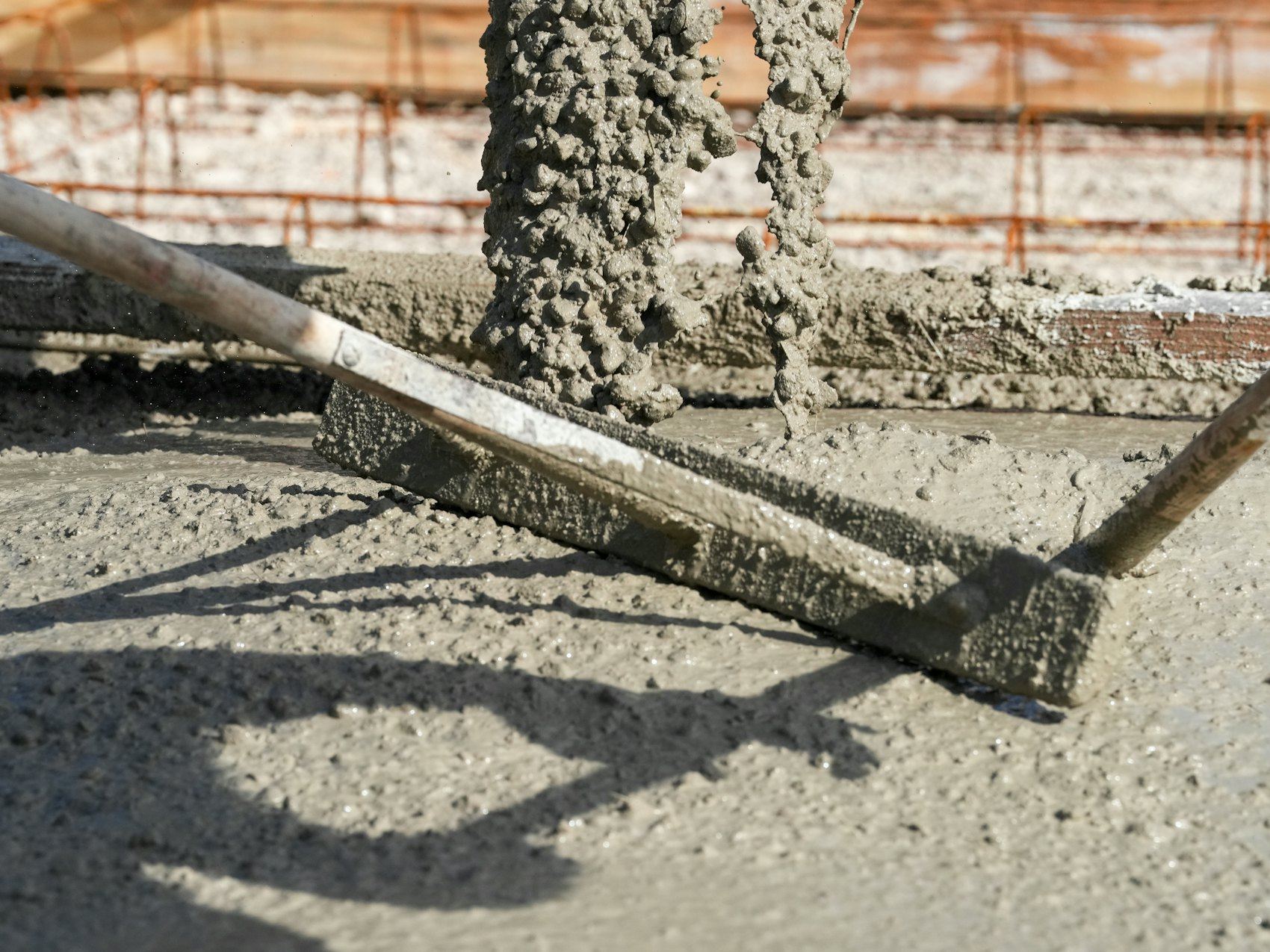
Luton
Concrete floor screeding in Luton
Describe the state of your floor and get a clear view of what concrete floor screeding in Luton involves. A specialist firm will assess whether levelling or a heavier build-up makes sense, at no cost to you.
Screeding options
How a damaged slab gets levelled
- Self-levelling compounds
- Poured over prepared concrete to fill dips and smooth ridges. Best where the slab is mostly sound but too rough for a direct coating. Dries fast enough for light foot traffic within hours.
- Heavy-duty resin screeds
- Trowelled layers built up to correct severe unevenness. Industrial screed layers in Luton use these where pallet trucks and forklifts run daily, since they withstand point loads that would crush thinner materials.
- Screed laid to falls
- Shaped to direct wash-down water or spillages toward a drain channel. Essential in food preparation areas or workshops where standing liquid creates a slip risk and damages stored goods.
- Localised patch repairs
- Small hollows or worn patches filled with a compatible mortar before the main screed goes down. Prevents weak spots from telegraphing through the finished surface once traffic resumes.
The problem
When a slab refuses a coating
Uneven warehouse floor repair starts by measuring the damage. A specialist checks depth, moisture and load requirements before choosing a method.
- Pitted surfaces Holes trap dirt and prevent coatings from bonding to the substrate.
- Old patchwork Mismatched repair mortars create ridges that wear unevenly under traffic.
- Wrong gradients Flat floors hold water where falls should carry it to drains.
- Thin toppings failing A specialist applies a levelling layer or resin screed over the existing slab.
From enquiry to a level floor ready for coating
You describe the condition of the slab and how the space is used. A specialist firm then takes measurements, recommends a build-up and schedules the work around your operations.
-
After your enquiry
Site assessment and moisture testing
The specialist visits to measure levels across the slab, check for damp and note any existing drains or channels. They determine whether a self-levelling pour or a trowelled resin screed suits the load.
-
Once agreed
Surface preparation and priming
Loose material is ground away and the concrete is cleaned. A primer seals the pores so the new screed bonds fully rather than sitting on top of dust or old sealers.
-
On the scheduled day
Mixing and laying the screed
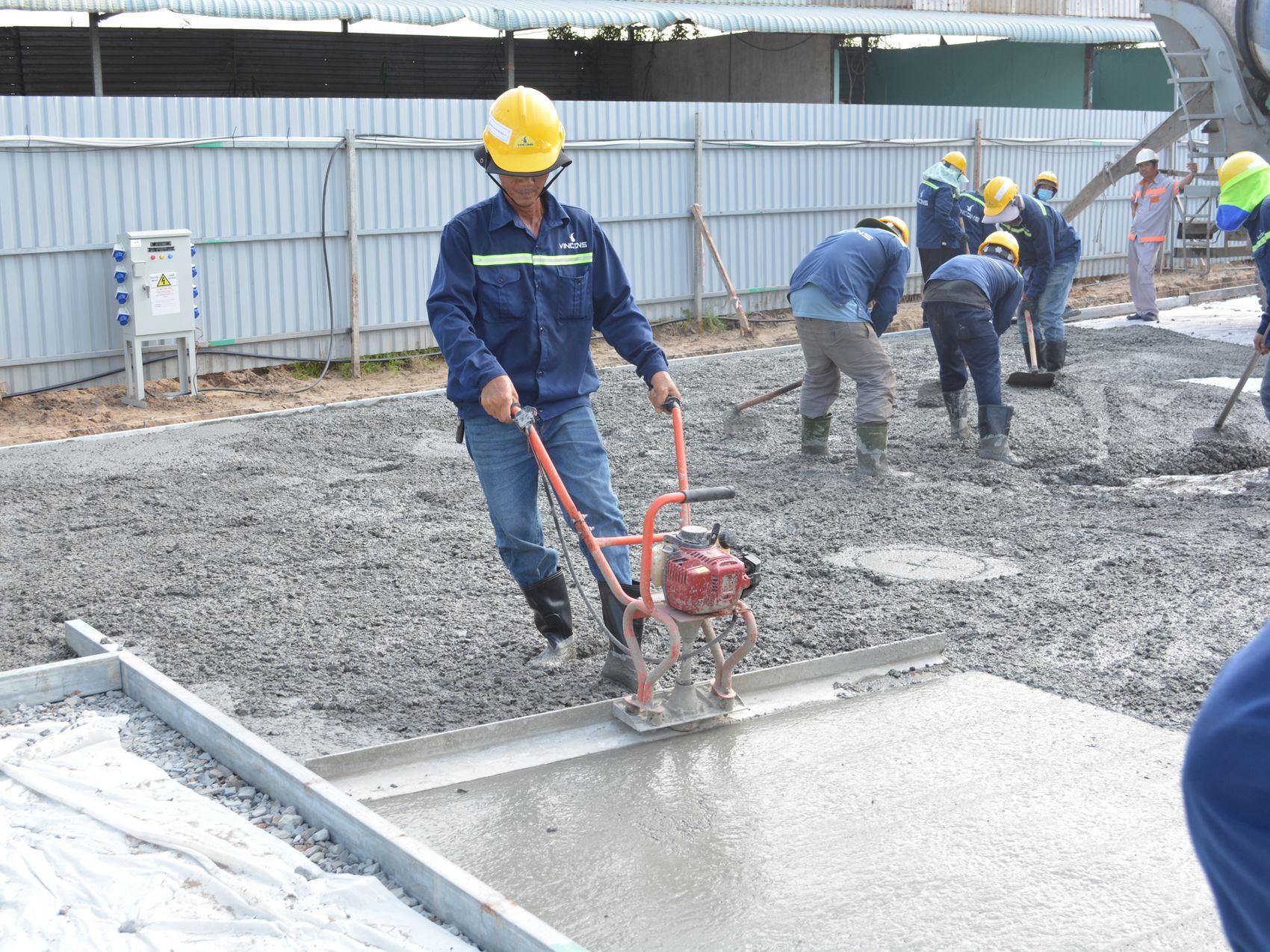
Material is batched and spread to the required thickness. Falls are formed toward drainage points using straight edges and laser levels to keep tolerances tight across the whole area.
-
After curing
Inspection before the topcoat
The hardened surface is checked for flatness and moisture content. Only when readings fall within limits does the specialist proceed with epoxy, polyurethane or another specified finish.
What you receive after the assessment
A specialist surveys the slab, records moisture readings and measures deviations. You get a written account of the findings and a specification for the work required to bring it level.
Moisture test results
Readings taken at several points across the slab to confirm whether a damp-proof membrane or moisture-tolerant primer is needed before screeding begins.
Level survey report
Measurements showing high and low points, plus the minimum and maximum build-up required to achieve a flat surface or the specified falls.
Screed specification
The recommended product type, thickness and preparation steps, written so you understand exactly what the specialist firm proposes to lay and why.
Questions about screeding a unit floor
My slab is uneven and patched, can it be screeded rather than dug out?
Yes, in most cases. A specialist grinds away loose patches, primes the exposed concrete and lays a screed thick enough to bridge the low areas. Digging out is only necessary if the structural slab itself has failed or dropped significantly below surrounding ground levels.
How thick does a screed need to be over an old industrial floor in Luton?
Minimum thickness depends on the product. Cement-based levelling compounds usually need at least 5mm, while heavy-duty resin screeds start around 6mm and go up to 9mm or more where forklifts operate. The specialist measures the deepest hollow to calculate the required build-up.
Can you form falls to a drain in a workshop with screed?
Yes. Floor screed to falls is standard practice in units that see regular wash-downs. The specialist sets out gradient lines before pouring, ensuring water runs cleanly to gullies or channel drains without pooling anywhere on the finished surface.
How long before a new screed can take a resin coating?
Cementitious screeds need time to dry before a coating goes on. The wait depends on thickness and ventilation. A resin screed cures faster but still has to reach the right moisture level first. The specialist tests the slab to confirm it is ready for an epoxy or polyurethane layer.
Is a resin screed better than a levelling compound for forklift traffic?
For sustained forklift use, a heavy-duty resin screed is the stronger choice. Standard self-levelling compounds handle foot traffic and light trolleys well, but point loads from solid tyres will crack them. Resin screed flooring in Bedfordshire units routinely withstands this kind of plant movement.
What does screeding a unit floor cost per square metre?
Prices vary with the chosen system, thickness and preparation needed. A basic levelling compound costs less per square metre than a trowelled resin screed designed for heavy plant. The specialist provides a figure after measuring the area and assessing the slab condition.
How much of the unit has to be cleared before screeding starts?
The entire section being screeded must be empty. Racking, machinery and stock need moving out so the specialist can grind, prime and lay without obstruction. Work is often phased so half the unit remains operational while the other cures.
Can patches be screeded or does the whole floor need doing?
Localised repairs are possible where damage is confined to small areas. But if the slab has widespread undulation or multiple failing patches, screeding the full floor gives a uniform surface and avoids visible joins between old and new material.
Where screeding specialists work around Luton
Enquiries for concrete floor screeding in Luton are handled by specialist firms covering the town and its surrounding industrial estates. Units in nearby areas also fall within their working range.
If your location is not listed, send an enquiry to check availability.
Tell us about your floor
Send details of the slab condition and how you use the space. A specialist firm reviews the information and replies with advice on whether screeding is the right step. There is no obligation to proceed.
- No obligation to proceed
- Free initial advice
- Specialist response