Luton workshops and units
Epoxy floor curing time: when the floor is ready
Find out how long your floor needs before it can take foot traffic, forklifts and washdowns. Send the details of your unit and a specialist will confirm the exact timings for the job, with no cost or obligation.
What epoxy floor curing time means for your downtime
The stages from wet resin to a working floor
Downtime is the first question every production or workshop manager in Luton asks before committing to a new surface. Understanding epoxy floor curing time means knowing the difference between a floor that feels dry and one that has finished hardening all the way through.
Resin floor drying time happens in distinct stages. The coating starts as a liquid, becomes tack-free, then hard enough for light foot traffic. After that, it builds strength until it can handle pallet trucks and heavy loads. The final stage is chemical cure, where the resin reaches full resistance to oils, solvents and repeated washdowns. Each stage takes longer than the last.
A floor that looks set on the surface can still be soft underneath. Walking on it too soon leaves permanent marks, so the wait matters even when the surface appears ready. The specialist fitting the floor will confirm each milestone based on the specific product used and the conditions inside your unit.
When staff can walk on the new floor
Most epoxy systems reach a point where careful foot traffic is safe within twelve to twenty-four hours after application. This assumes normal indoor temperatures and standard humidity levels. Staff wearing clean, flat-soled shoes can usually cross the floor to reach other areas without damaging the finish.
Heavier boots or dragging feet at this stage will dent the surface. If you are wondering when you can walk on epoxy safely, the answer depends on the thickness of the coat and the ambient temperature in the room. A thin seal coat dries faster than a heavy self-levelling layer.
For busy environments across Luton, scheduling the pour late in the day often allows an overnight industrial floor coating to reach walkable hardness by the next morning. The specialist will specify exactly how many hours to leave the floor untouched before allowing anyone back onto it.
Forklifts, vehicles and heavier loads
Pallet trucks, forklifts and vans need far more from the surface than a person walking across it. Asking how long before a forklift can go on epoxy usually leads to a window of three to seven days, depending on the system applied.
Tyres exert concentrated pressure, especially when turning. If the resin has not built sufficient compressive strength, the wheels will tear the surface or leave deep ruts. Hot tyre pickup is a particular risk in garages and loading bays, where warm rubber meets a partially cured floor.
Units handling constant vehicle movement around Luton often use high-build epoxies designed to reach load-bearing strength faster. Even then, the specialist will set a clear date for when mechanical traffic can resume. Rushing this stage causes damage that requires grinding back and reapplying sections, adding days to the project rather than saving them.
Chemical resistance and full cure
A floor might take foot traffic after a day and forklifts after a week, but full chemical resistance takes longer. Most two-part epoxy systems need seven to fourteen days to achieve their stated tolerance to oils, cleaning agents and standing water.
During this period, spills should be wiped up immediately rather than left sitting. Washdowns with harsh detergents or high-pressure hoses should wait until the specialist confirms the cure is complete. Anti-slip additives and textured finishes do not change the underlying chemistry, so they follow the same timeline.
For food preparation areas, workshops using solvents, or anywhere subject to regular mopping, waiting for full cure prevents the chemicals from penetrating and softening the resin. Once fully hardened, the floor performs as specified. The specialist will advise whether any temporary protection is needed while the final stage completes.
How temperature changes the schedule
Epoxy cure temperature matters more than almost any other variable. The chemical reaction that hardens the resin slows down significantly in cold air. In a Luton unit during winter, where internal temperatures might drop below ten degrees Celsius overnight, the stated drying times can double or triple.
Conversely, very warm conditions speed up the initial set but can shorten the working time, making it harder for the installer to achieve a smooth finish before the material stiffens. Humidity also plays a part. Moisture in the air or rising from the concrete slab can interfere with adhesion and cloud the surface.
Specialists measure both the air temperature and the slab temperature before mixing anything. If conditions fall outside the product's limits, they may postpone the application or use heaters to bring the environment into range. Planning around the weather avoids wasted material and failed coatings.
Keeping the unit running during the work
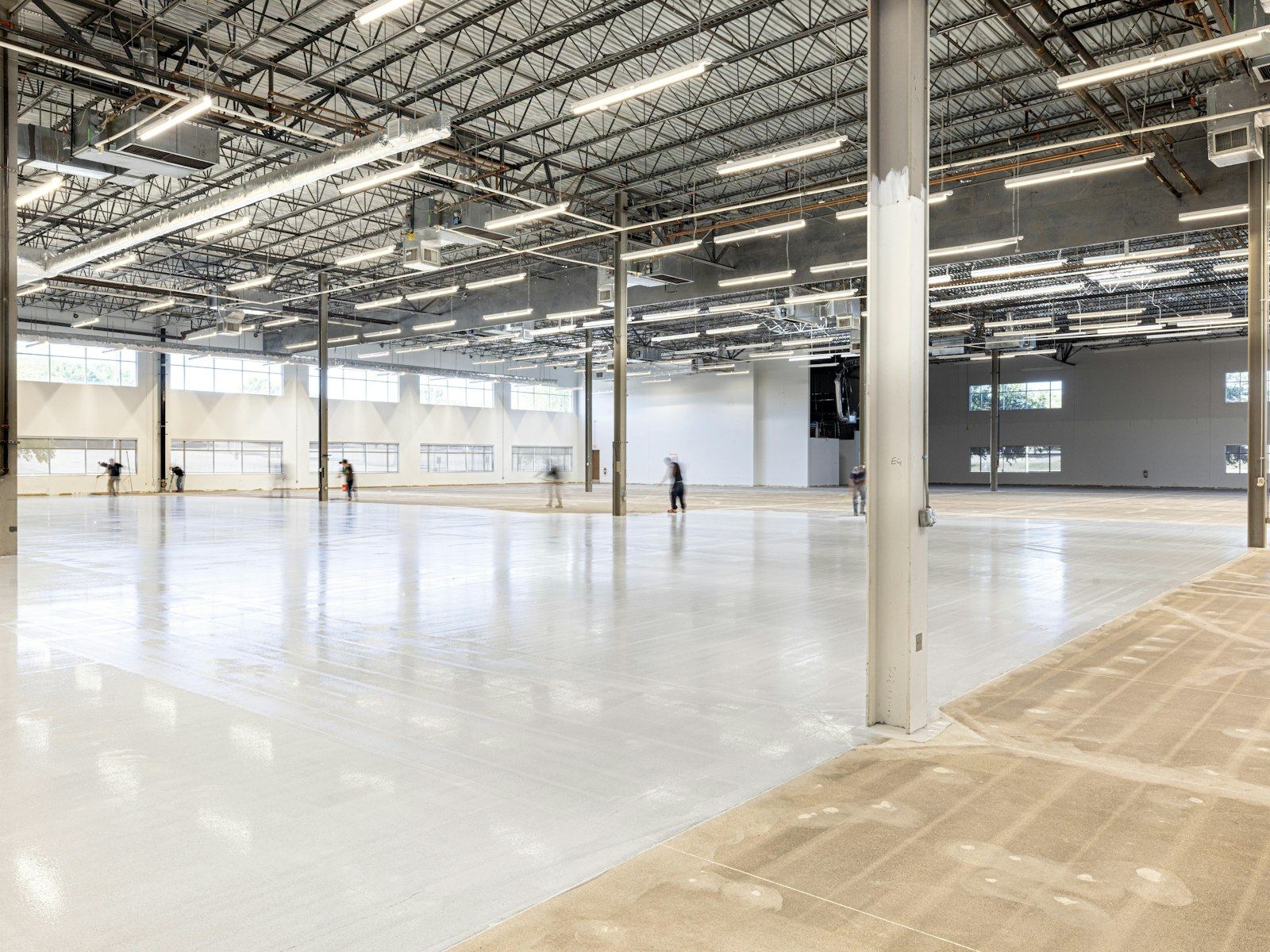
Shutting down an entire facility is rarely practical. Phased floor coating works allow one section of a unit to be coated while operations continue in another. The area under work is sealed off, prepared, coated and left to cure before the next zone begins.
This approach extends the total calendar time of the project but eliminates full closure. Forklifts and staff simply reroute through the open sections. Each phase follows its own curing clock, so the specialist provides a detailed schedule showing when each bay or aisle returns to service.
Many businesses in Luton arrange this kind of phasing over consecutive weekends or night shifts. An overnight industrial floor coating applied on a Friday evening can often bear light traffic by Monday morning, provided temperatures hold steady. The specialist plans the sequence to match your production cycles.
Heating, ventilation and protecting the cure
Once the resin is down, maintaining stable conditions helps it cure evenly. Turning off heating over a weekend in January can stall the process entirely. Specialists usually recommend keeping the space above fifteen degrees Celsius throughout the initial cure window.
Ventilation is equally important. Two-part epoxies release vapours as they react. Adequate airflow carries these away and helps the surface skin over cleanly. But direct draughts blowing across a wet floor can cause uneven curing or pull dust onto the finish.
If someone walks on the floor before it is ready, the damage is immediate. Footprints press into the soft resin and cannot be buffed out later. They require grinding and patching, which means starting that section again. Barricades, signage and clear communication with staff prevent accidental access during the vulnerable hours.
Signs the floor was used before it cured
Rushing back onto a fresh epoxy surface leaves physical evidence. These marks appear when weight or traffic meets resin that has not yet hardened through its full depth.
- 1
Permanent footprint shapes
Shoe outlines pressed into the surface that remain visible after the floor hardens completely. They indicate someone walked on the resin too early.

- 2
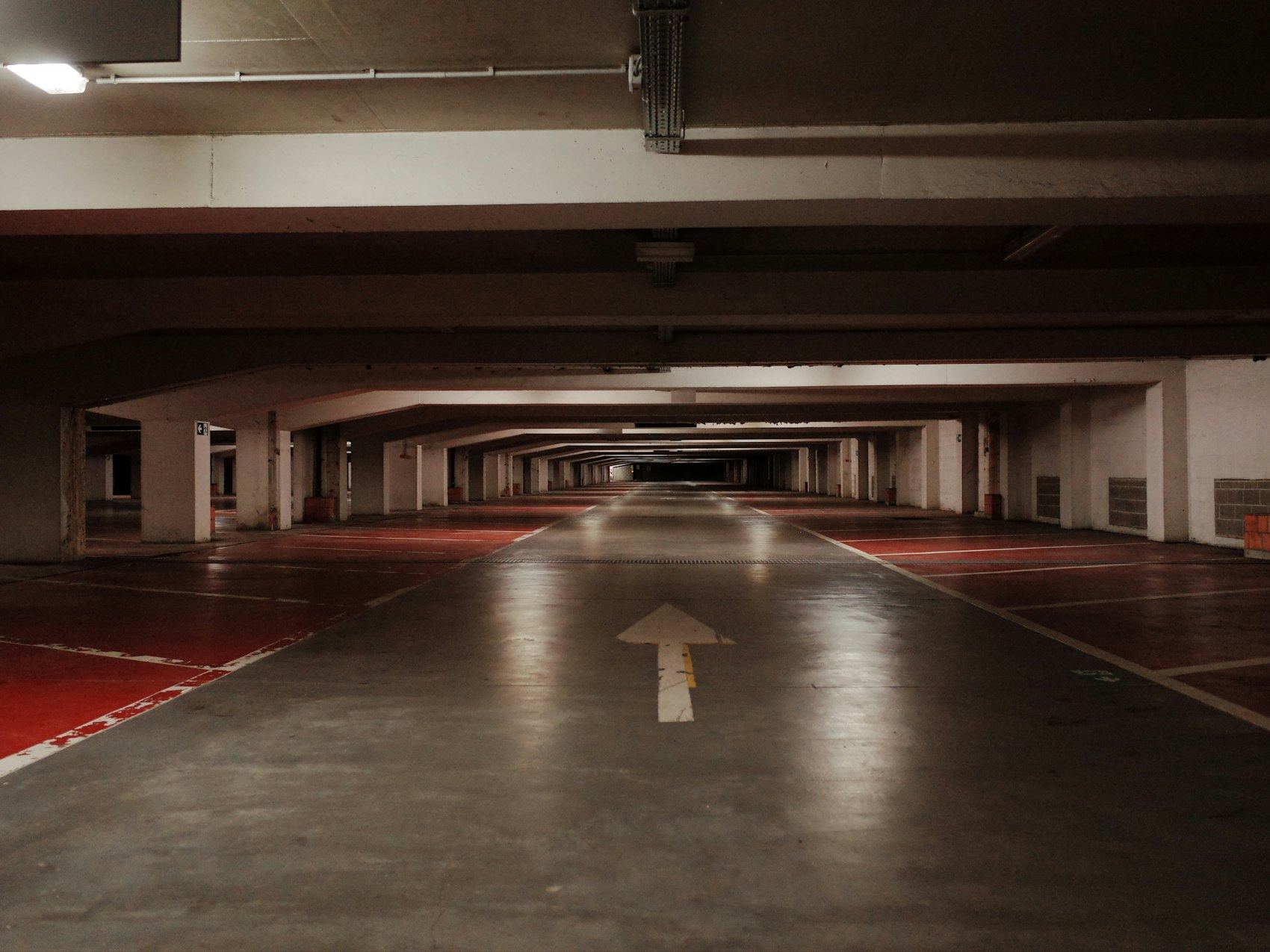
Tyre scuffs and ruts
Dark lines or shallow grooves left by pallet truck wheels or vehicle tyres turning on a surface still building its compressive strength.
- 3
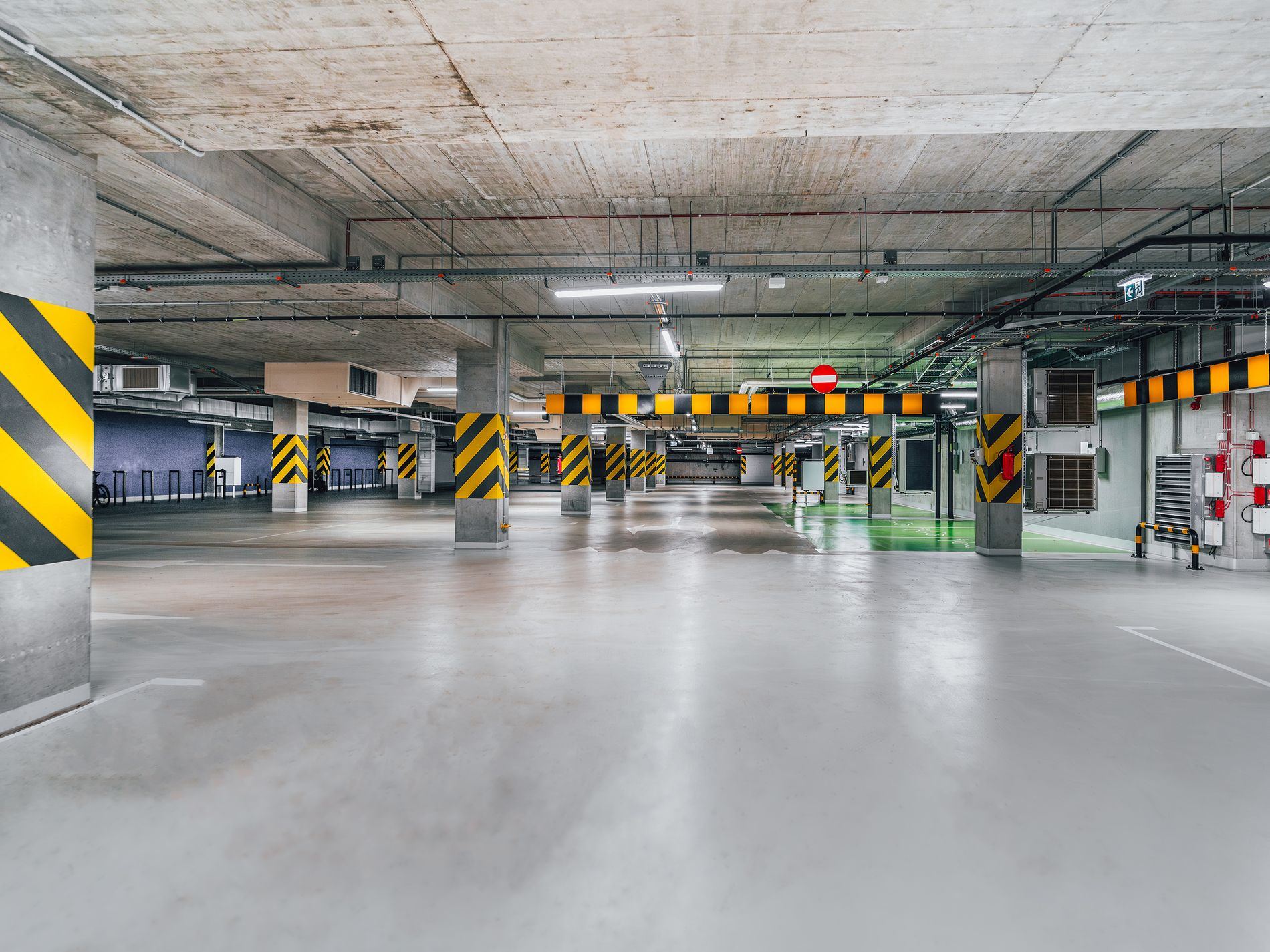
Cloudy or dull patches
Areas where the gloss finish turns matte or milky, often caused by moisture settling on the resin while it was still reacting.
- 4
Sticky spots that stay soft
Sections that remain tacky days after the rest of the floor has dried, suggesting localised temperature drops or incorrect mixing ratios.

- 5
Edges lifting from the concrete
Perimeter strips peeling away from the substrate, which can happen if traffic vibration disturbed the bond before the adhesive set.
Questions Luton managers ask about curing
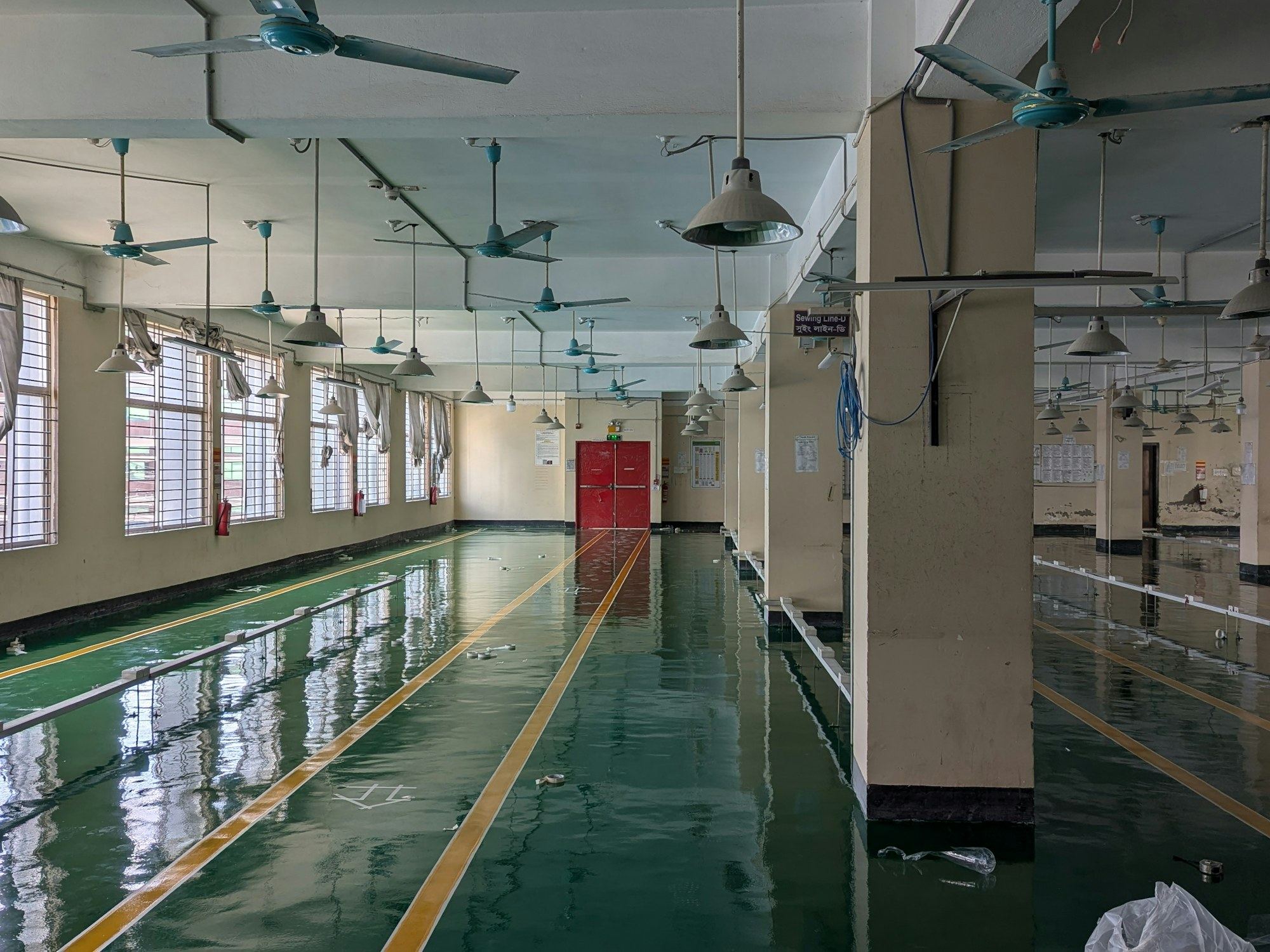
These are the points raised most often when planning around downtime in workshops and distribution units across the town.
- Walking on the new floor
- Staff in clean, flat shoes can usually walk on the surface after twelve to twenty-four hours. The specialist sets the exact time based on temperature and product choice.
- Forklifts returning to work
- Mechanical traffic typically needs three to seven days. Tyre pressure and turning forces demand full compressive strength before vehicles resume normal routes.
- Chemical and washdown readiness
- Full resistance to solvents, oils and pressure washing takes seven to fourteen days. Spills should be wiped immediately until the specialist confirms complete cure.
- Cold units slowing the process
- Temperatures below fifteen degrees extend curing significantly. Winter work in unheated Luton units often requires portable heaters to keep the slab within range.
- Phasing the work
- Coating the floor in zones lets part of the unit stay operational. Each section follows its own curing schedule, planned around your production cycle.
- Weekend and night shifts
- Applying the coating on Friday evening or overnight minimises disruption. Stable temperatures must be maintained through the following hours for proper curing.
Get curing times for your specific floor
Send the dimensions and current condition of your unit. A specialist will review the details and confirm the exact curing schedule, with no obligation to proceed.
- No commitment required
- Exact timings provided
- Local specialists only